Website Development Tips for Coaches: Creating a Professional Online Presence


Understanding Your Audience
As a coach, your website is a crucial tool for connecting with potential clients. Understanding your target audience is the first step in creating an effective online presence. Identify their needs, preferences, and challenges. This insight will guide your content creation and design decisions, ensuring you meet their expectations.

Designing a User-Friendly Interface
A professional website should be easy to navigate. Choose a clean design with intuitive navigation. Make sure your menus are clearly labeled and accessible. This will enhance the user experience, encouraging visitors to explore your offerings further.
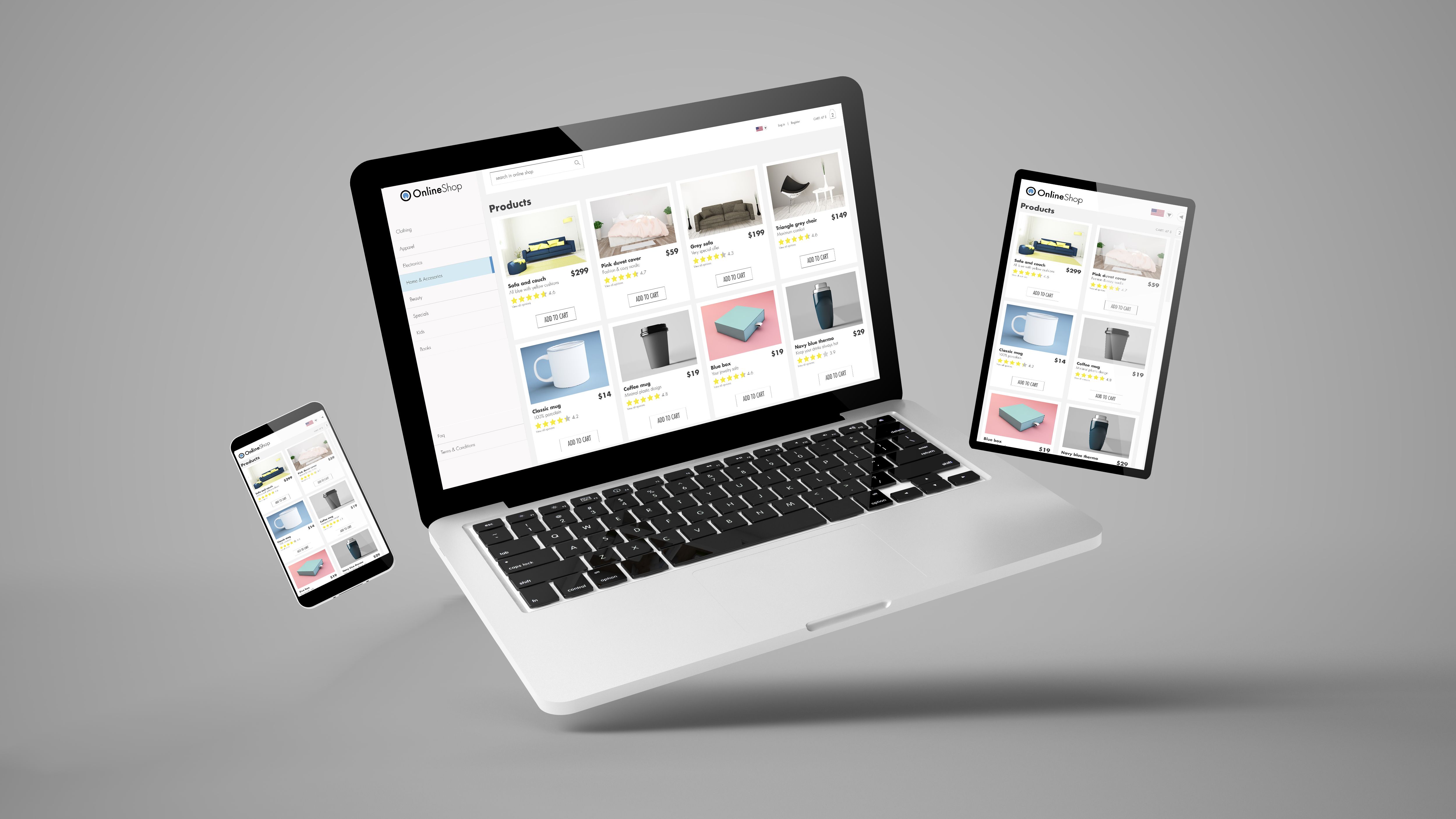
Responsive design is also essential. With an increasing number of users accessing websites on mobile devices, ensure your site looks great on all screen sizes. This not only improves user experience but also positively impacts your site's search engine ranking.
Optimizing for Search Engines
Search Engine Optimization (SEO) is a key factor in driving traffic to your website. Use relevant keywords throughout your content, including in headers and meta descriptions. This will help your site rank higher in search results, making it easier for potential clients to find you.
Additionally, consider adding a blog section. Regularly publishing valuable content not only improves SEO but also establishes you as an authority in your field. Share insights, tips, and success stories to engage your audience and build trust.

Highlighting Your Unique Value
Stand out by clearly communicating what makes your coaching services unique. Use your website to highlight your credentials, testimonials, and any special methodologies you employ. A compelling "About" page can also help visitors connect with you on a personal level.
Include a portfolio or case studies if applicable. This showcases your success and provides tangible proof of your expertise. Make sure these elements are easy to find and visually appealing.

Incorporating Interactive Features
Interactive features can greatly enhance user engagement. Consider adding elements like contact forms, live chat, or booking calendars. These tools allow potential clients to easily reach out, ask questions, or schedule appointments, streamlining the process of connecting with you.
Ensuring Security and Speed
Website security is critical, especially if you handle personal data. Use secure hosting and install an SSL certificate to protect your clients' information. This not only safeguards your site but also builds trust with visitors.
Additionally, ensure your website loads quickly. Fast loading times improve user experience and reduce bounce rates. Optimize images and utilize caching plugins to enhance speed.

Utilizing Social Proof and Calls to Action
Incorporate social proof throughout your site. Display testimonials, case studies, and any media features you have. Social proof builds credibility and can influence potential clients' decision-making processes.
Finally, use clear and compelling calls to action (CTAs) to guide visitors toward taking the next step. Whether it's signing up for a newsletter, downloading a free resource, or scheduling a consultation, effective CTAs can significantly increase conversions.